
If you need a doctor's note for work or school, it’s essential to include the right details to ensure it’s accepted and avoids scrutiny. Missing information like a provider’s signature or exact absence dates can lead to rejection - over 60% of notes get flagged for these reasons. Here's what to include:
Using free templates is risky - they often look unprofessional and lack necessary elements. Stick to professional notes that meet legal and medical standards to avoid complications.
To ensure a doctor's note holds up under scrutiny, it must include five key components. These elements work together to establish the document's credibility, and leaving out any one of them can raise red flags.
The first step in creating a reliable note is including the healthcare provider's information. This means listing the doctor’s full name along with their medical credentials (such as MD, DO, NP, or PA-C). The note should also display the name of the medical practice or hospital, ideally on official letterhead, and provide complete contact details, including the full address (street, city, state, ZIP code) and a primary phone number.
For added verification, include the doctor’s National Provider Identifier (NPI) number, a unique 10-digit code that employers or schools can use to confirm the note’s authenticity. Additionally, include the state license number and, where applicable, the doctor’s medical specialty, like "Internal Medicine" or "Orthopedic Surgery."
Next, patient details must be included to ensure the note is tied to the correct individual.
The note must clearly identify the patient. This includes the patient’s full legal name and their date of birth, formatted as MM/DD/YYYY.
It should also specify the date(s) of the patient’s visit. Use the standard American date format and list each appointment date separately if there were multiple visits. Indicate whether the visit was for an office consultation, an emergency room visit, or a telehealth appointment.
While protecting the patient’s privacy, the note should provide a general medical justification. For example, it might state "acute medical condition", "surgical procedure", or "ongoing treatment" without revealing specific diagnoses.
The next step is documenting time off and any work-related restrictions.
A professional note should precisely outline the period of absence. Use clear start and end dates, such as "October 15, 2025 through October 22, 2025", instead of vague phrases like "a few days" or "about a week."
If applicable, include a definitive return-to-work date. For ongoing medical conditions, the note might indicate that a follow-up appointment is necessary to determine the return date.
Work restrictions, when needed, should be detailed. Examples include "no lifting over 10 pounds", "limited standing or walking", or "modified duties only." These specifics help employers accommodate the patient and add legitimacy to the note.
The issue date is critical, as it confirms when the note was created. It should align logically with the appointment date - most notes are issued on the same day as the visit or within 24-48 hours if additional documentation is required.
A doctor’s signature solidifies the document’s authenticity. While hand-written signatures carry more weight, typed names are also acceptable when paired with proper credentials. The signature line should include the doctor’s printed name, title, and actual signature in a clear format.
Adding official stamps or embossed seals can further enhance the note’s credibility. Many practices use rubber stamps with their name, address, and phone number, while others may include embossed seals or watermarks that are difficult to replicate.
Modern medical facilities often use security measures to prevent fraud. These may include watermarks, security paper, or unique background patterns to make the note harder to duplicate. Some offices also assign sequential numbers or unique document codes for tracking purposes.
Complete and functional contact information is essential. The note should list a direct phone number for the medical office (not a generic hospital switchboard) and include office hours for verification calls, such as "Monday-Friday, 8:00 AM - 5:00 PM EST."
Finally, the quality of the paper used can make a difference. Professional medical offices typically use heavier paper (20-24 lb weight) for a polished look, with crisp, high-quality printing free of pixelation or formatting errors that might suggest a low-quality home printer was used.
Using a fake or inaccurate doctor’s note isn’t just risky - it can lead to serious legal trouble. Many state and local laws classify this as forgery or fraud, which can result in fines or even criminal charges. Following the law is non-negotiable.
The Health Insurance Portability and Accountability Act (HIPAA) sets strict guidelines for how medical information is handled. Doctor’s notes need to respect these privacy rules, ensuring that sensitive patient information is protected at all times.
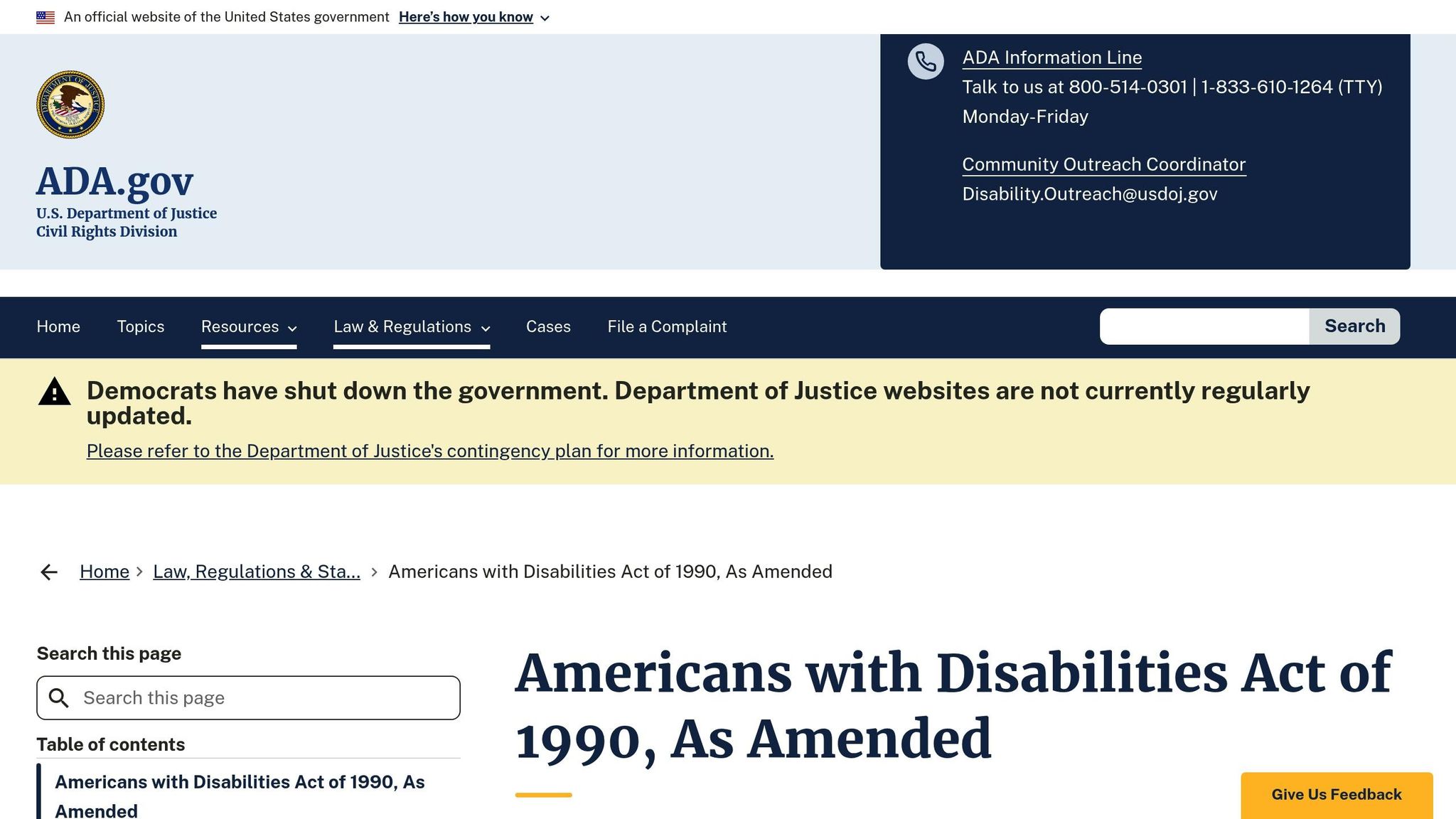
The Americans with Disabilities Act (ADA) and the Family and Medical Leave Act (FMLA) have their own requirements for medical documentation. Employers may also have specific policies in place. It’s important to understand these regulations to avoid conflicts and ensure your documentation aligns with workplace and federal standards.
State laws can vary widely, but many treat the use of fraudulent medical documents as a criminal offense. This could mean hefty fines or even legal prosecution under local statutes. To stay on the right side of the law, make sure any medical documentation you use adheres to the specific legal requirements in your state. Proper compliance isn’t optional - it’s essential.
When it comes to documentation, taking shortcuts with free doctor's note templates can lead to serious problems. These templates often lack the credibility needed to hold up under the scrutiny of employers or schools. With organizations becoming more vigilant, even small inconsistencies can raise suspicion and damage your reputation.
Free doctor's note templates are full of telltale signs that make them easy for employers and schools to flag. Here’s why:
All these factors make free templates a risky choice, as they’re easily identified as inauthentic.
Using a poorly crafted or fake doctor's note doesn’t just risk embarrassment - it can lead to significant consequences. Employers and schools may take disciplinary action, and in some cases, using fraudulent documentation can result in legal trouble. The short-term convenience of a free note is simply not worth the potential fallout.
Investing in professional doctor's note templates is a safer and smarter choice. These templates are designed to meet the standards of employers and schools, offering features that free versions lack:
This guide builds on the basics of creating a credible doctor's note, offering detailed steps to ensure its authenticity. Whether you're drafting one yourself or evaluating a note you've received, focusing on accuracy and professional presentation is key to avoiding scrutiny.
Getting the details right is critical to maintaining credibility. Start by including the healthcare provider's verifiable information: their name, practice address, and phone number. Any credentials that can't be confirmed are immediate red flags.
Make sure the patient's name, date of birth, and identification details are accurate. The appointment date should align with the absence period being requested and avoid raising suspicion with unusual timing.
Use precise medical terminology to enhance the note's legitimacy. For example, instead of vague terms like "illness", specify conditions such as "acute gastroenteritis" or "lower back strain requiring rest and physical therapy." This level of detail makes the note look more professional and believable.
The time off recommended should match the severity of the condition. A minor issue shouldn't justify an extended absence, while more severe conditions should reflect a reasonable recovery period. If applicable, include work restrictions or accommodations, such as "no lifting over 20 pounds" or "requires frequent breaks for medical treatment."
Once all the information is filled out, the physical presentation of the note becomes the next priority.
The way a doctor's note looks can significantly impact how authentic it appears. Use a high-quality printer to ensure the text is crisp and easy to read.
Color printing can add a professional touch, especially if the note includes logos, watermarks, or seals from the medical facility. While black-and-white printing is often acceptable, color can make the document appear more official. Be sure to set your printer to its highest quality setting for the best results.
The type of paper you choose also matters. Standard 20-pound white copy paper is sufficient for most cases, but using slightly heavier paper, like 24-pound stock, can give the note a more polished feel. Avoid overly thick or textured paper, as it may look out of place for medical documents. The paper should also be clean and free from wrinkles, stains, or other imperfections that could draw unnecessary attention.
Formatting consistency is equally important. Make sure the fonts are uniform, spacing is professional, and any logos or graphics are clear and undistorted. Sloppy formatting, inconsistent spacing, or amateur design elements are often red flags that employers or schools look for.
Finally, be prepared for any follow-up verification calls to ensure the document holds up under scrutiny.
Verification calls are a common step in confirming the legitimacy of a doctor's note. These calls primarily focus on verifying the authenticity of the document, not discussing specific medical details. Healthcare providers can confirm whether a note was issued and provide basic information like dates and general fitness assessments, but they cannot share detailed medical information without the patient's consent.
To pass this step, ensure all contact details on the note are accurate and lead to real, reachable phone numbers. The main number should connect to a legitimate medical office staffed with professionals who can handle routine verification requests. Consistency across all elements of the note is crucial to avoid discrepancies that might raise doubts during the verification process.
Modern verification systems are becoming increasingly advanced. For example, services like AuthBridge's Medical Document Verification achieve a 99% accuracy rate and complete most checks within 1 to 5 days. This highlights the importance of attention to detail and professionalism when creating or assessing documentation.
Keep in mind that most verification calls take place during regular business hours. Make sure the contact information provided corresponds to facilities that operate during these times. Familiarizing yourself with HIPAA limitations and standard verification procedures can help you feel more confident about submitting or reviewing a doctor's note.
A well-prepared doctor's note can make all the difference when it comes to meeting medical, legal, and professional requirements. As outlined earlier, every detail - whether it's identifying information, accurate medical terminology, or proper formatting - plays a key role in passing verification checks and ensuring the note is taken seriously.
Using professional templates is one of the most reliable ways to create effective documentation. According to the American Medical Association, these templates not only reduce administrative hassles but also help maintain accuracy and compliance with current standards. Customizing these templates to reflect the patient’s specific situation is critical. Generic forms often lack the credibility needed to withstand scrutiny.
On the other hand, free templates come with significant risks. They often lack essential security features and may not meet legal requirements, increasing the likelihood of rejection. Professional templates, by contrast, offer a higher level of credibility and reduce potential issues.
Verification processes have become more sophisticated, meaning that every aspect of the note - such as contact details, consistent formatting, and adherence to medical terminology - will be closely examined. This highlights the importance of following professional standards to ensure the note aligns with both medical and legal expectations.
Legal compliance is another critical factor. Employers, for instance, can request medical certification for absences longer than three consecutive days under the Family and Medical Leave Act (FMLA). HIPAA and state laws also enforce strict guidelines for documentation, making it essential for healthcare providers to adhere to these standards. Referencing a checklist, like the one discussed earlier, can help ensure all necessary elements are included.
Healthcare providers using legitimate platforms can streamline the process by creating and sending authentic notes via email. This not only ensures a smooth chain of verification but also meets the expectations of employers and schools. The professionalism offered by these platforms simply cannot be replicated with free or poorly designed templates.
Ultimately, professional templates strike the right balance between proper documentation and compliance, safeguarding your rights and ensuring transparency. When your absence depends on a single document, its quality and authenticity are the foundation for achieving your desired outcome.
Using a fake or inaccurate doctor’s note can have serious repercussions. From a legal standpoint, it may be classified as fraud or falsifying medical records, which could lead to fines, possible jail time, or other penalties. On top of that, employers or schools might respond with disciplinary actions, such as suspension or even termination.
Falsifying medical documents can also breach healthcare laws, opening the door to both civil and criminal consequences. The risks are even higher when relying on free or poorly crafted notes, as they’re often easy to spot and can severely harm your credibility.
To ensure a doctor's note meets the expectations of your employer or school in the US, it should include these essential details:
It's crucial to leave out unnecessary personal health information to maintain privacy and comply with confidentiality laws. Be sure to review your employer's or school's specific guidelines, as they might require certain formats or additional details.
Always use a legitimate, licensed provider to ensure the note is taken seriously. Relying on free or fake notes is risky - employers and schools are often familiar with them, and using one could result in serious disciplinary or legal issues.
Using free doctor’s note templates might seem like a quick fix, but they come with some serious risks. These templates often look generic, lack essential medical details, and are easily spotted as fake. As a result, relying on them could damage your credibility with employers or schools. Many organizations are already familiar with these templates, which makes them more likely to raise red flags.
On the other hand, professional templates are crafted to appear genuine and include critical information like patient details, specific dates, clear medical recommendations, and the doctor’s credentials. These elements not only make the notes more believable but also ensure they meet the standards required by workplaces or educational institutions, helping you avoid unnecessary complications.

Nitesh Singh, M.D. is a senior Anesthesiology resident in PSRI hospital, New Delhi, India. Nitesh is the expert authority in doctor's notes and has been a staff writer at bestfakedoctorsnotes.net for over ten years. You can learn more about him by visiting his social profiles here: LinkedIn, Facebook, Google+
Privacy Policy | About Us | Blog | Disclaimer | Contact Us | Press | 800-550-6349
The information contained on this website is not to be considered as medical or legal advice. All content is for informational purposes, and we make no claim as to accuracy, legality or suitability. The site owner shall not be held liable for any errors, omissions or for damages of any kind.
© 2008-2018 BestFakeDoctorsNotes.net. All Rights Reserved.